


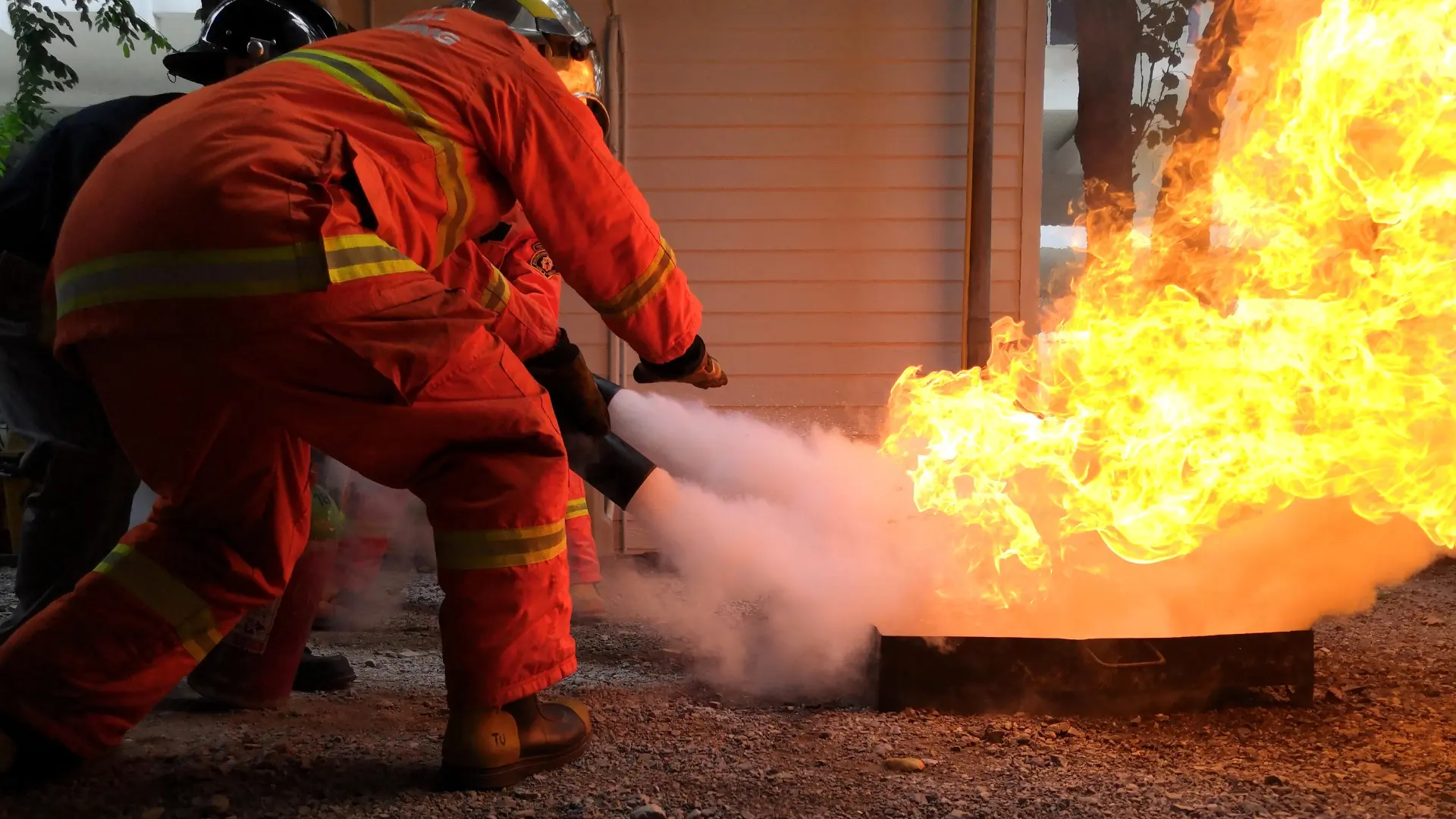
Fire is one of the most dangerous hazards that commercial facilities must deal with on a regular basis. Fire can have disastrous effects in a matter of minutes, regardless of the cause—faulty wiring, overloaded electrical systems, flammable materials, or a brief malfunction in sprinkler and fire alarm systems. Because of this, fire watch security is an essential safety necessity for safeguarding people, property, and business operations, not merely a precaution.
Building owners and property managers need to go beyond simple compliance in today’s business environment. They require a proactive safety plan that aids in early hazard identification, prompt emergency response, and complete operational control in the event that fire systems are damaged. A robust fire watch security plan guarantees that your business building is safe even when automated systems are not operating or when the risk of a fire increases due to maintenance, construction, or equipment failure.
We at Insid Business are aware that contemporary companies require competent, dependable, and useful safety solutions. Our platform is committed to disseminating important security advice, operational best practices, and insightful business information to help businesses remain competitive. For Insid Business readers who wish to enhance workplace safety, safeguard assets, and guarantee regulatory compliance through efficient fire watch security processes, this material has been meticulously modified.
The four crucial fire watch security protocols for commercial buildings will be discussed here, along with their significance and how companies can implement them to make the workplace, guests, and property safer.
1. Fire Watch Security Starts with a Thorough Site Assessment and Preparation
A thorough site assessment is the first and most crucial phase in any effective fire watch security plan. Understanding the precise locations of the dangers is necessary before you can prevent a commercial property from catching fire. Every structure is unique, and every property has its own equipment, layout, occupancy level, and possible dangers.
Building managers, safety officers, and fire watch staff can find weak points before they become emergencies by conducting a site evaluation. A thorough walkthrough of the entire facility, including offices, storage spaces, stairwells, mechanical and electrical rooms, kitchens, warehouses, and any high-risk operational locations, should be included of this procedure.
Key Risks to Identify During Fire Watch Security Assessments
- Keep a cautious eye out for typical fire threats like these throughout the inspection:
- Extension cords and outlets that are overloaded
- Outdated, exposed, or damaged wiring
- Inappropriate handling of flammable materials
- Inaccessible escape routes or blocked exits
- Smoke detectors or alarms that don’t work
- Sprinkler systems that are not working
- Poor cleanliness in work or storage spaces
- Heating apparatus positioned too near combustible items
- Using kitchen appliances or space heaters without permission
The presence, visibility, and accessibility of fire extinguishers should all be examined in a thorough fire watch security inspection. Regular inspections of fire extinguishers are necessary to ensure that they are suitable for the particular risks present in each area, such as electrical fires, grease fires in kitchens, or general combustible material fires.
Fire Watch Security and Emergency Exit Preparedness
Examining every emergency escape is a crucial component of site preparedness. Every second counts during a fire emergency. There may be dire repercussions if staff members or guests are unable to find or promptly access exits.
Your security team for the fire watch should confirm that:
- Exit doors open correctly.
- There are no obstacles in the hallways.
- Exit signs are visible and lit.
There are no storage items in the stairwells.
There are operational secondary exits.
There are authorized and secure outdoor assembly locations.
In the event of a fire, this planning guarantees a smooth evacuation and lessens confusion.
Why Site Preparation Strengthens Fire Watch Security
Fire watch protocols become reactive rather than preventive in the absence of a thorough site assessment. In addition to responding to smoke or flames, fire watch security aims to stop hazardous situations before they start.
An organized site facilitates:
- Quicker identification of hazards
- safer routes for evacuation
- Improved communication with emergency personnel
- Decreased damage to property
- Enhanced adherence to the law and insurance
- Increased trust among tenants, employees, and guests
To put it briefly, you need to start with a solid foundation—preparation, inspection, and danger awareness—if you want dependable fire watch security.
2. Requires a Strong and Detailed Fire Safety Plan
The foundation of any successful fire watch security program is a fire safety strategy. Even highly qualified staff may find it difficult to react appropriately in an emergency without a defined plan. Commercial buildings are frequently hectic, intricate spaces with several floors, departments, tenants, and guests. A well-defined and organized plan guarantees that everyone is aware of what to do both before and after a fire breaks out.
A competent fire watch security strategy ought to be prepared, available, and routinely reviewed. The building’s design, emergency protocols, designated roles, communication techniques, and safety inspection schedules should all be included.
Core Elements of a Fire Watch Security Plan
Procedures for the following should be clearly defined in your fire safety plan:
- Reporting smoke or fire right away
- Setting off emergency alerts
- Making contact with the fire department
- Starting the evacuation process
- Using fire extinguishers when it’s safe to do so
- Helping residents who are vulnerable or disabled
- Keeping an eye on fire-prone areas
- recording events and fire watch patrols
- coordinating with emergency personnel and management
There is no place for speculation in a robust fire watch security plan. Everyone involved should be aware of their responsibilities and the chain of command.
Assigning Fire Wardens for Better Fire Watch Security
Creating zones throughout the facility is one of the best commercial fire planning strategies. A designated fire warden or other responsible staff member who can assist residents in an emergency should be assigned to each zone.
In order to promote fire watch security, these zone leaders:
- Monitoring their assigned area
- Verifying that evacuations are in progress
- Examining meeting rooms, restrooms, and remote areas
- Helping to move the crowd
- Reporting individuals who are missing
- Notifying emergency personnel of potential risks
This structure lessens panic and organizes the response.
Routine Patrol Checklists
A thorough patrol checklist should be part of any fire watch program. Fire watch staff are required to conduct routine property inspections and record their findings. When automatic fire systems are momentarily unavailable, this is very crucial.
Typical items on a fire watch security checklist could be:
- Fire alarm panel condition
- Status of the sprinkler system
- Smoke or strange smells
- Unsafe operation of heat sources
- Conditions for storing flammable materials
- Conditions of electrical panels
- Exits that are blocked or locked
- Functionality of fire doors
- Problems with housekeeping
- Construction or maintenance activities creating sparks or heat
Because it demonstrates due diligence, promotes code compliance, and establishes a record in the event that authorities want proof of monitoring, documentation is an essential component of professional fire watch security.
Why Planning Improves
A commercial facility can become prepared instead of vulnerable with the use of a fire protection plan. It guarantees that the building depends on qualified personnel and well-organized processes in addition to sprinklers and alarms.
Businesses that have a strong fire watch security plan gain from:
- Quicker reaction to emergencies
- Improved departmental coordination
- Reduce misunderstanding when evacuating
- Decreased exposure to liability
- Enhanced adherence to fire regulations
- Increased security during system failures
A building is taking needless risks if it does not have a fire safety plan. A building that has a thorough fire watch security plan is actively safeguarding both business continuity and human life.
3. Fire Watch Security Depends on Efficient Evacuation Procedures
Without a quick and efficient evacuation process, no fire watch security system is complete. Whether or not everyone gets to safety during a fire emergency depends on how quickly and clearly people evacuate. Because commercial buildings frequently house large numbers of workers, clients, contractors, and guests, evacuation planning is an essential component of fire safety.
People must know precisely where to go and how to safely evacuate when a fire alarm goes off or a fire watch officer detects danger. A manageable issue might become a catastrophic catastrophe due to panic, miscommunication, and poor communication.
Why Evacuation Is Central to Fire Watch Security
Life safety is the main objective of fire watch security. Lives cannot be replaced or mended like property can. For this reason, evacuation protocols need to be straightforward, practiced, and tailored to the particular structure of the building.
All residents ought to be aware of:
- What alarm signals indicate
- The closest main exit route
- An additional secondary exit route
- Where to congregate following the evacuation
- Who should I notify after leaving?
- What not to do (like using elevators) in the event of a fire
- These simple actions can save vital time.
Communication Systems in Fire Watch Security Evacuations
One of the most important fire watch security tools is clear communication. Workers should be aware of how they will be notified in the event of a fire, particularly if fire watch officers are serving as the first line of defense and alarm systems are not working.
Techniques for communication could be:
- Alarm activation by hand
- Systems for public address
- Fire watch personnel’s radios
- Internal messaging systems or mobile alerts
- Verbal commands from floor wardens
Apps for emergency notifications
Trained fire watch security staff must be particularly vigilant and ready to promptly alert residents and emergency personnel when automatic systems are offline.
Supporting Vulnerable Occupants Through Fire Watch Security
Not every building tenant can leave without help or at the same speed. Support for the following should be part of your fire watch security plan:
- Older residents
- People with disabilities
- Short-term injuries
- Visitors who are not familiar with the structure
- Contractors operating in remote locations
- Big groups of people in communal areas
A buddy system works really well. Assign qualified personnel to assist anyone who might require aid in an emergency. Depending on local laws and building design, dedicated refuge places or stair seats might also be suitable.
Fire Drills and Training Strengthen Fire Watch Security
Training is crucial. If no one has practiced the evacuation plan, even the finest one will fail. Frequent fire drills increase familiarity and confidence, which improves fire watch security.
An effective fire drill should evaluate:
- Response times for alarms
- Accessibility of the exit route
- Employee response and movement
- Flow of communication
- Responsibility at assembly locations
- The amount of time needed to clear each zone
Management should evaluate the outcomes of each drill and make any necessary adjustments. When a facility undergoes renovations, workforce changes, or tenant arrangements, fire watch protocols should adapt accordingly.
Benefits of Strong Evacuation Procedures in Fire Watch Security
Effective evacuation protocols enhance fire watch security by providing:
- Increased occupant safety
- Reduced anxiety and confusion
- Improved responsibility upon evacuation
- decreased injuries when using emergency exits
- Better coordination within the fire department
- Greater preparedness for emergencies overall
The building as a whole becomes safer when everyone knows exactly what to do. Evacuation is a fundamental component of competent fire watch security, not only a reaction.
4. Stronger When You Partner with Professional Fire Watch Services
Businesses must employ professional fire watch security services in many commercial scenarios, either legally or operationally. This frequently occurs when maintenance, repairs, upgrades, construction, or unanticipated damage temporarily disrupts sprinkler systems, fire alarm systems, or other fire suppression systems.
The building becomes more susceptible during certain periods, and depending only on internal employees could not be sufficient. Professional fire watch companies provide skilled workers whose only duty is to keep an eye out for potential fire threats on the property, spot early warning indicators, and act swiftly in accordance with safety procedures.
When Professional Fire Watch Security Is Needed
Professional fire watch protection may be necessary for commercial buildings in the following circumstances:
- Failure of the fire alarm system
- shutdown of the sprinkler system
- Failure of the fire pump
- Building or remodeling projects
- Hot work processes (grinding, cutting, and welding)
- Temporary shifts in occupancy
- Local fire marshal specifications
- Industrial activities or high-risk storage
- Inspections or replacements of emergency systems
Inadequate fire watch protection during these times can result in penalties, shutdowns, insurance issues, or legal liability in many jurisdictions.
What Professional Fire Watch Security Personnel Do
Typically, a certified fire watch security officer handles a number of crucial duties, such as:
- Monitoring the property on a regular basis or at predetermined times
- Keeping an eye on dangerous regions
- Recognizing dangerous situations such as heat, smoke, or sparks
- Verifying that the exits are still open
- Verifying the availability of extinguishers
- recording every patrol action and observation
- Reporting risks right away
- Making use of emergency services when necessary
- assisting in evacuation in the event of a fire
- Keeping records of compliance for inspectors
Professional services are beneficial because they offer accountability, discipline, and experience. Their exclusive focus is fire risk management, which can be challenging for internal staff members with hectic schedules to regularly maintain.
The Compliance Advantage of Fire Watch Security Services
Compliance is one of the main reasons companies employ experts. When systems are compromised, municipal authorities, insurance companies, and fire codes frequently have stringent requirements. Expert fire watch security companies are aware of legal requirements, reporting requirements, patrol frequency, and documentation.
This benefits companies:
- Steer clear of breaking the code
- Fulfill the requirements of the fire marshal
- Preserve your eligibility for insurance
- Defend against charges of liability
- Exhibit conscientious safety management
- Minimize operational risk when there are disruptions
Professional fire watch security records might be crucial when a regulator requests documentation of monitoring.
Choosing the Right Fire Watch Security Provider
The quality of service provided by different companies varies. When choosing a fire watch security firm, consider the following:
- Personnel with training and a license
- Knowledge of commercial properties
- familiarity with local fire regulations
- Availability around-the-clock
- Comprehensive incident reporting
- Quick deployment capabilities
- Effective communication with management
- Positive feedback from customers
- Coverage of insurance
- Tailored patrol strategies
A one-size-fits-all solution shouldn’t be offered by a competent supplier. They should assess your building, comprehend its threats, and customize their fire watch security strategy to meet your unique requirements.
Why Outsourcing Fire Watch Security Makes Business Sense
By averting significant losses, hiring experts can actually lower long-term expenses. Fires result in:
- Destruction of property and disruption of business
- Legal allegations
- Increases in insurance rates
- harm to one’s reputation
- Workplace injuries
- Penalties for regulations
Investing in dependable fire watch protection is a wise and sensible business move when weighed against those threats.
Why Matters for Commercial Building Safety and Business Continuity
Commercial buildings serve as operational hubs, workspaces, service centers, and investment assets in addition to being physical structures. Every aspect of a business can be affected in a matter of seconds by a fire emergency. For this reason, fire watch security should be considered both a business continuity strategy and a regulatory need.
Organizations benefit from strong fire watch security:
- Safeguard workers and guests
- Lower the number of fatalities and injuries caused by fires
- Avoid significant structural damage
- Reduce downtime
- Assist with insurance claims
- Preserve tenant trust
- Observe local safety laws
- Create a culture of accountability
The structure becomes more resilient and the business becomes more secure when emergency response and fire prevention are integrated into your company’s culture.
FAQs
1. What is fire watch security?
A safety service called “fire watch security” is intended to keep an eye out for fire threats on a building or property, particularly when sprinkler, suppression, or fire alarm systems are malfunctioning. Personnel on fire watch patrol the area, spot hazards, record conditions, and act fast in the event of a fire.
2. When is fire watch security required for commercial buildings?
When fire protection systems are unavailable for maintenance, repairs, construction, or malfunction, fire watch security is typically necessary. Additionally, it can be necessary for hot job operations, special occasions, or when the fire marshal or municipal authorities issue an order.
3. Who can perform fire watch security duties?
Fire watch security can be carried out by certified professional fire watch guards or by trained internal staff, depending on the circumstances and local legislation. However, because they are knowledgeable about emergency response protocols, patrol standards, documentation, and compliance, professional services are frequently chosen.
4. How often should fire watch security patrols be conducted?
The type of building, occupancy, level of fire danger, and local rules all affect how frequently fire watch security patrols are conducted. In certain situations, ongoing observation is necessary. In others, patrols could take place at predetermined times. Always abide by the fire marshal’s directions and the provisions of the fire code.
5. Why should businesses hire professional fire watch security services?
Expert fire watch security services provide knowledge of code compliance, accurate reporting, qualified personnel, and prompt emergency response. In the event that automatic fire systems are not available, they help lower responsibility, safeguard building occupants, and guarantee building safety.
Conclusion
In conclusion, one of the most crucial duties for any owner of a commercial building, property manager, or business operator is putting the correct fire watch security systems into place. Without adequate planning, monitoring, and response, fire risks can escalate rapidly and have disastrous consequences for both persons and property.
The four crucial steps are obvious:
- Start by thoroughly evaluating and preparing the site.
- Create a solid, well-documented fire safety plan.
- Establish effective evacuation protocols and provide frequent training to all personnel.
- When necessary, collaborate with expert fire watch security services.
In addition to assisting you in adhering to rules, these protocols enhance disaster preparedness, make the environment safer, and shield your company from preventable losses.
At Insid Business, we think that smart companies thrive when they put operational excellence, readiness, and safety first. Preventing fires shouldn’t be put off until an emergency arises. Now is the ideal moment to bolster your fire watch security plan before an incident or system breakdown endangers your facility.
Investing in trustworthy fire watch security is a proactive step that can save lives, safeguard assets, and maintain your operations with confidence whether your commercial facility is undergoing maintenance, experiencing alarm or sprinkler outages, or just needs improved fire protection planning.
Please click here if you want to learn more interesting blogs.
Here is relevant content: Berks Fire Alerts: A Complete Guide














Leave a comment