


Atlas Air: The airline industry is always changing. The aviation sector has improved substantially in recent years, from safety improvements to technical developments.
Atlas Air, With a fleet of 107 aircraft, it is one of the biggest cargo airlines in the world and serves airlines, express carriers, and freight forwarders with both long-term and ad hoc charter services. It also owns a company that leases airplanes.
Digital Technology at Atlas Air Takes Flight
The airline business is undergoing a change thanks to digital technologies. New technologies are transforming how passengers travel, from quicker check-ins to a safer and more comfortable flight.
At atlas air, Blockchain, a secure, immutable digital ledger that tracks the flow of aircraft parts and allows flight operators to modify their safety and maintenance procedures, is the foundation of one of the biggest innovations. Among other advantages, this might considerably cut operational expenses, raise productivity, and enhance security and safety.
Additionally, as visitors seek out more automated, personalized, safe, and health-conscious experiences, touchless technology is rising in favor during the epidemic. The airline industry has a fantastic opportunity to adopt innovative, seamless, health-conscious, and generally successful solutions.
Astute Airports at Atlas Air Takes Flight
At atlas air, The aviation sector is moving swiftly, with digital technology transforming the travel experience by upending the business paradigm and compelling airports and airlines to work with younger, more nimble enterprises. The outcome is a new form of transportation ecosystem where employees and passengers may take advantage of a broader choice of creative, safe, and effective travel options.
Atlas Air is a pioneer in this new environment, utilizing facial recognition technology to expedite passenger security and immigration. Furthermore, the business is collaborating with Thales Group to launch HELIXVIEW, a Cabin Baggage Explosive Detection System (EDS CB) that can scan a bag from the ground, eliminating the need for passengers to remove goods from their luggage.
Safer Travel at Atlas Air Takes Flight
In addition to being one of the safest ways of transportation, the airline sector is a significant component of the international economy. The airline industry has various procedures in place to ensure travelers remain secure.
Due in considerable part to technology improvements provided and perfected by airlines, the aviation sector has a lengthy history of safety, notably in the preceding several decades. These include changes to infrastructure, equipment, and aircraft quality.
This has generally led to fewer accidents and fatalities, even though some years are worse than others.
Due to its reputation for safety, air travel is one of the most extensively used kinds of transportation worldwide, and many people aspire to return to flying. To ensure that this occurs as rapidly as possible and that the process is as frictionless as possible, the whole industry is participating.
Increased Efficiency
The aviation industry has high labor and capital costs, intricate procedures, and small profit margins. Results can be considerably altered by various variables including gasoline prices, weather, and macroeconomic changes.
As a result, airlines work on controlling costs to boost profitability. Often, this includes restructurings and consolidations to minimize personnel, pay, and benefits.
However, the crew management technique gives a substantial possibility to increase airline operations’ efficiency. Businesses can increase production and save labor expenses if they can better this procedure.
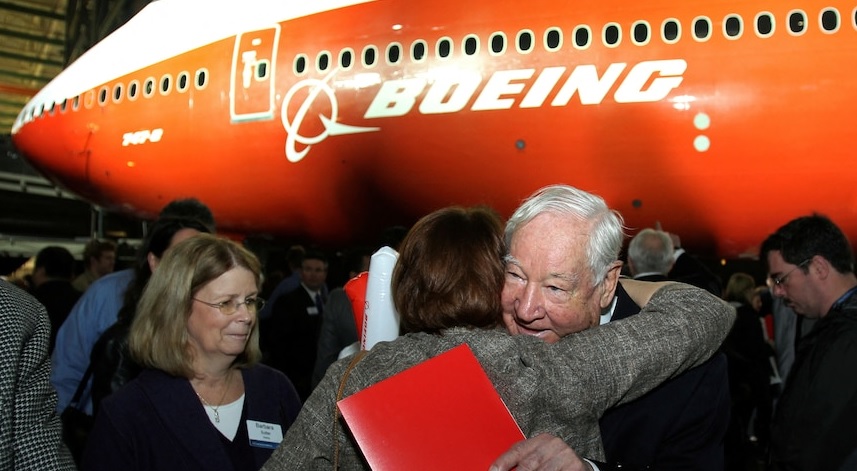
The largest Boeing 747 freighter operator in the world, Atlas Air, has chosen IDMR Solutions to assist its clients in better managing their fleet of air cargo and aircraft maintenance records. Operators and MRO providers can increase operational performance, cut operating costs, and conform to regulatory standards with the usage of the vendor’s technical documentation solutions.
Amazon Prime Air, Dreamlifters, DHL, the US military, freight forwarders, charter brokers, and other airlines are just a handful of the many cargo clients that Atlas Air serves. Its wide-body fleet consists of 14 777s, 49 747 freighters, and B747-400Fs.













Leave a comment