


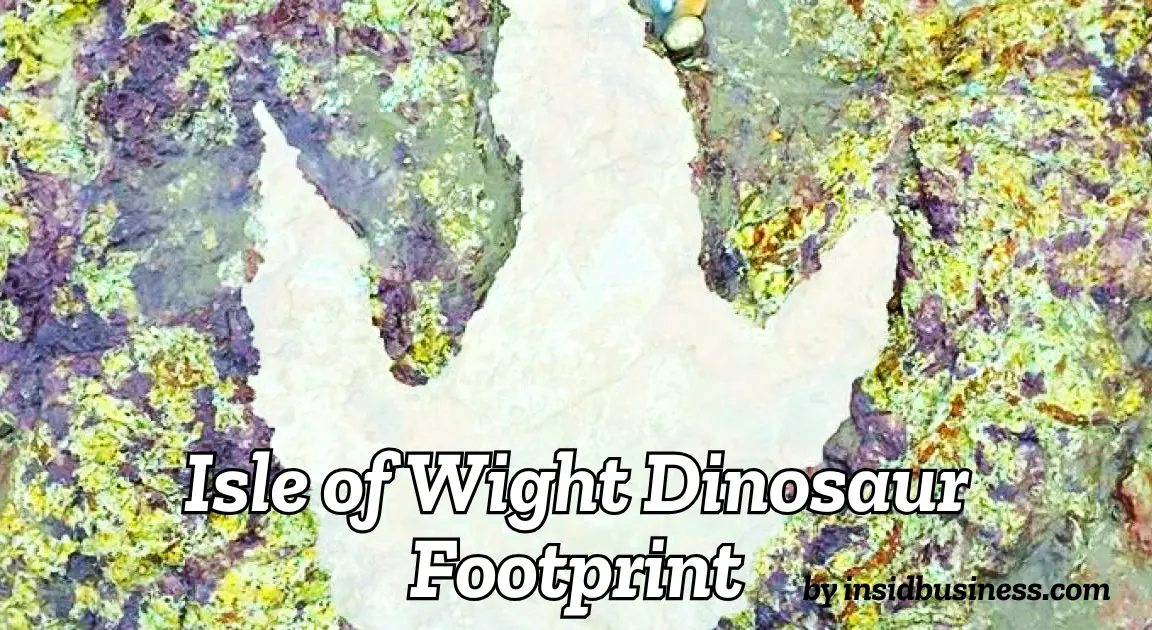
One of the most fascinating prehistoric finds in the UK is the Isle of Wight dinosaur footprint. Imagine discovering while strolling along a serene beach that a massive dinosaur once set foot there millions of years ago. That is the Isle of Wight’s magic. This stunning island off the south coast of England is well-known for both its remarkable fossil heritage and its picturesque settlements and coastlines.
The Isle of Wight dinosaur footprint provides a unique chance for fossil hunters, scientists, families, and inquisitive tourists to establish a direct connection with Earth’s remote past. These fossilized footprints are more than simply stone impressions. They are proof of actual animals that roamed, hunted, and lived in this area over 120 million years ago.
The Isle of Wight, also referred to as “Dinosaur Island,” has gained international recognition as one of the top locations in Europe for finding dinosaur remains. From fossilized vegetation and trackways to bones and teeth, the island never ceases to astound both visitors and specialists. We’ll go over all you need to know about the Isle of Wight dinosaur footprint in this guide, including how to enjoy this amazing prehistoric journey, where to locate them, what they reveal, and why they matter.
What Makes the Isle of Wight Dinosaur Footprint So Special?
Because it offers concrete proof of dinosaur activity in an unaltered outdoor environment, the Isle of Wight dinosaur footprint is unique. Footprints record an actual moment in time, in contrast to museum skeletons, which are frequently recreated. They depict a dinosaur’s gait, its steps, and occasionally even whether it was moving alone or in a group.
Because they enable paleontologists to investigate behavior rather than just anatomy, these ancient tracks are extremely significant. A dinosaur’s skeleton reveals its appearance. A footprint reveals its way of life. Scientists can determine if an isle of wight dinosaur was walking slowly, running, turning, or following a certain course by examining the size, spacing, and shape of each footprint.
The age of these imprints is another factor that makes them so amazing. The majority of the dinosaur footprints found on the Island of Wight are from the Early Cretaceous, which occurred between 120 and 125 million years ago. This indicates that these impressions have endured for an almost unfathomable amount of time despite weather, erosion, and geological change.
Both the scientific value and the emotional impact are equally potent for visitors. In a way that movies and literature can’t, seeing a footprint preserved in stone can bring prehistory to life. It inspires awe in both kids and adults.
The History Behind the Isle of Wight Dinosaur Footprint Discoveries
When fossil finds on the island began to garner scientific interest in the 19th century, the tale of the dinosaur footprint on the Isle of Wight began. Naturalists and collectors started investigating the island’s beaches and cliffs during this period, eventually discovering fossilized tracks, teeth, and bones.
As geological research progressed, scientists discovered that rock formations from the Early Cretaceous period—the exact time when dinosaurs flourished in this area—were present on the Isle of Wight. Numerous instances of dinosaur footprint imprints from the Isle of Wight have been found over time, particularly at coastal exposures where erosion and tides expose hidden rock layers.
The fact that these discoveries are still being made today is among their most significant features. The coastline of the island is ever-changing. A new isle of wight dinosaur footprint may emerge during inclement weather or shifting sands due to storms, tides, and cliff erosion. Because of this continuous activity, the island is no longer a static historical site but rather a living fossil site.
As a result, the Isle of Wight continues to pique the interest of both professional paleontologists and amateur fossil hunters. Every finding adds a new chapter to the island’s prehistoric history, and more discoveries are still possible.
Where to Find the Isle of Wight Dinosaur Footprint Today
There are a few well-known sites worth visiting if you want to witness an Isle of Wight dinosaur footprint up close. The greatest spot to start is along the island’s fossil-rich coastline, especially during low tide when many rock surfaces are visible.
Compton Bay and the Isle of Wight Dinosaur Footprint
One of the most popular locations to find an Isle of Wight dinosaur footprint is Compton Bay. This beach is well-known for its expansive vistas, striking cliffs, and sandstone ledges that contain fossils. Dinosaur footprints may be visible on exposed rock platforms during low tide.
Yaverland and the Isle of Wight Dinosaur Footprint
Another significant location for the dinosaur footprint from the Isle of Wight is Yaverland, which is close to Sandown. Fossil aficionados love this location because it has generated both fossil footprints and bones.
Brook Bay and the Isle of Wight Dinosaur Footprint
Dinosaur fossils and sporadic track discoveries are other notable features of Brook Bay. Timing is crucial, just like at other locations on the island. Low tide is the optimum time to see an Isle of Wight dinosaur footprint, especially after the weather has removed sediment from the rocks.
Visitors should constantly check tidal times and adhere to local safety guidelines before leaving because coastal conditions are subject to change.
How the Isle of Wight Dinosaur Footprint Was Formed Millions of Years Ago
Every dinosaur footprint on the island of Wight started off as a single step in moist sand or soft mud. The Isle of Wight was considerably different from what it is today during the Early Cretaceous. The terrain featured muddy coastal habitats, lagoons, woodlands, and river floodplains in place of contemporary beaches and villages.
A dinosaur’s weight left deep marks in the sediment as it moved across this soft ground. Under ideal circumstances, such impressions persisted long enough for fresh silt or sand layers to cover them. The track’s initial shape was preserved as those layers solidified into rock over millions of years.
This is why the isle of wight dinosaur footprint is so rare and valuable. The conditions had to be nearly perfect:
- The ground needed to be soft enough to record the foot shape
- It could not be too wet, or the print would collapse
- It could not be too dry, or no clear impression would form
- The footprint needed to be buried quickly before erosion destroyed it
Nature essentially created a prehistoric mold, then sealed it in stone for future generations to discover.
Which Dinosaurs Created the Isle of Wight Dinosaur Footprint?
Several distinct dinosaur species that formerly inhabited the island may have left behind the dinosaur footprint. The Isle of Wight is well-known for its varied dinosaur population, many of which are identified by track evidence and fossil bones.
Iguanodon and the Isle of Wight Dinosaur Footprint
One of the most famous dinosaurs associated with the Isle of Wight dinosaur footprint is the iguanodon. This massive herbivore is well-known for its characteristic thumb spike and could walk on two or four legs. Plant-eating dinosaurs such as this one may have broad or rounded footprints.
Baryonyx and the Isle of Wight Dinosaur Footprint
Baryonyx had a crocodile-like snout and was a fish-eating predator. Theropods with comparable body designs may be the source of several three-toed carnivorous footprints discovered as isle of wight dinosaur footprint specimens.
Neovenator and the Isle of Wight Dinosaur Footprint
On the island, a ferocious predatory dinosaur called Neovenator was found. Its existence contributes to the explanation of why some dinosaur footprints from the Isle of Wight exhibit three-toed, sharp-clawed impressions indicative of meat-eaters.
Polacanthus and the Isle of Wight Dinosaur Footprint
Although track identification is much more difficult than bone identification, Polacanthus, an armored dinosaur coated in spikes, may have also contributed to the island’s prehistoric footprint record.
When paired with fossil bones, each dinosaur footprint from the Isle of Wight can reveal more about the animals that formerly inhabited the region.
What Scientists Learn From Each Isle of Wight Dinosaur Footprint
There is more to each Isle of Wight dinosaur footprint than merely a stone imprint. It’s a hint from science. Footprints are used by paleontologists to investigate dinosaur behavior, mobility, speed, and even social patterns.
A single isle of wight dinosaur footprint can provide answers to the following questions:
- How big was the dinosaur?
Larger prints often suggest a larger animal, although body type matters too. - Was it a herbivore or carnivore?
Rounded prints may indicate plant-eaters, while narrow three-toed prints often suggest meat-eating theropods. - Was the dinosaur walking or running?
The spacing between multiple tracks can reveal pace and speed. - Did dinosaurs travel together?
Parallel trackways can suggest group movement or herd behavior. - What was the ancient environment like?
The type of sediment around the isle of wight dinosaur footprint helps scientists reconstruct rivers, mudflats, and floodplains.
This is why fossil footprints are so important. Bones reveal structure. Tracks reveal life in motion.
Why the Isle of Wight Dinosaur Footprint Supports the ‘Dinosaur Island’ Reputation
The dinosaur footprint on the Isle of Wight is a crucial factor in the island’s reputation as “Dinosaur Island.” There aren’t many locations in the UK with this abundance of fossil plants, trackways, dinosaur bones, and easily accessible fossil beaches.
The variety of fossils, rather than just their quantity, is what distinguishes the island. Discoveries of carnivores, herbivores, armored dinosaurs, and fish-eating species complement the dinosaur footprint record on the island of Wight. This diversity implies that a complex ecosystem with rivers, flora, prey animals, and several dinosaur species coexisting in the same area formerly existed in the area.
The moniker “Dinosaur Island” provides excitement for visitors. It represents true geological relevance for scientists. The dinosaur footprint from the Isle of Wight is a real paleontological treasure trove that continues to influence our knowledge of prehistoric Britain; it is not a commercial ploy.
Best Time to Visit an Isle of Wight Dinosaur Footprint Site
If you want to witness an Isle of Wight dinosaur footprint up close, timing is crucial. The pathways are frequently only visible at low tide because many of them are situated on coastal rock platforms.
Low Tide and Dinosaur Footprint
Low tide is the best time to search for an isle of wight dinosaur footprint. When the sea retreats, more of the rock surface is exposed, increasing your chances of spotting tracks.
After Storms and Dinosaur Footprint
After storms or rough weather, new surfaces may be uncovered. Sand and debris can be washed away, revealing a previously hidden isle of wight dinosaur footprint.
Seasonal Travel and Dinosaur Footprint
Fossil hunting can be profitable all year round provided conditions are safe, although spring and summer are popular travel seasons because of the generally better weather. Always put coastal safety and tidal timings ahead of convenience, regardless of the season.
A well-thought-out trip can mean the difference between an exciting prehistoric find and a leisurely stroll down the shore.
Guided Tours for the Isle of Wight Dinosaur Footprint Experience
Taking part in a guided fossil walk is one of the finest opportunities to see the dinosaur footprint on the island of Wight. Your chances of seeing footprints and fossils are significantly increased because locals are more familiar with the beaches, tidal patterns, and rock formations than most tourists.
Typical guided excursions consist of:
- Identification of fossil-bearing rocks
- Explanations of the isle of wight dinosaur footprint sites
- Safety advice for walking near cliffs and tidal zones
- Tips on legal and ethical fossil collecting
- Stories about major discoveries on the island
These hikes are particularly fun for families since they blend adventure and information. While adults value the scientific context, children frequently enjoy the treasure-hunt experience of looking for fossils.
Understanding what you’re looking at is another benefit of a guided encounter. A real Isle of Wight dinosaur footprint may occasionally appear to be just another odd shape in stone without professional analysis.
Museums That Explain the Isle of Wight Dinosaur Footprint Story
Visiting nearby museums is crucial if you wish to learn more about the dinosaur imprint on the Isle of Wight. These organizations transform beach findings into a more comprehensive prehistoric story by offering context, exhibits, and professional interpretation.
Dinosaur Isle and Dinosaur Footprint
One of the most well-known sights on the island is Dinosaur Isle, which is situated in Sandown. Fossils, skeletons, and displays pertaining to the dinosaur footprint of the Isle of Wight and the region’s larger dinosaur history are on display.
Local Fossil Shops and Dinosaur Footprint
Some fossil shops and small heritage centers also provide useful information about the isle of wight dinosaur footprint, often with locally found specimens and educational materials.
Family Learning and the Isle of Wight Dinosaur Footprint
Families, school groups, and anybody interested in learning how footprints relate to the bones, teeth, and habitats of prehistoric dinosaurs should all visit museums.
When combined, museums and fossil beaches offer a comprehensive experience that combines understanding indoors with outdoor exploration.
Travel Tips for Safely Exploring the Isle of Wight Dinosaur Footprint
It’s thrilling to look for an Isle of Wight dinosaur footprint, but safety must come first. Fossil searching along the coast can be erratic, particularly in the vicinity of cliffs and shifting tides.
Here are some useful pointers:
- Check tide schedules before visiting
- Wear sturdy footwear with grip
- Avoid standing too close to unstable cliffs
- Never dig into cliff faces
- Bring a small brush and bag for loose finds
- Follow local fossil collecting rules
- Consider joining a guided walk
It’s crucial to keep in mind that not all loose fossils should be removed from the beach, even though you might be able to do so in some places. Experts or nearby museums should be notified of certain noteworthy discoveries. Future tourists and academics will be able to experience the dinosaur footprint history of the Isle of Wight if it is preserved.
How Dinosaur Footprint Boosts Tourism and Local Economy
The dinosaur footprint on the island of Wight has grown to be a popular tourist destination that boosts local companies. The island’s fossil beaches, museums, guided walks, and dinosaur-themed events draw tourists from all across the UK and beyond.
The advantages of this ancient reputation
- Hotels and guesthouses
- Ferry services
- Cafés and restaurants
- Gift shops and fossil stores
- Museums and educational centers
- Tour guides and local attractions
The dinosaur footprint on the Isle of Wight turns it from a normal beach visit into an unforgettable educational experience for many tourists. Few locations can compare to the way it combines science, history, nature, and family enjoyment.
Additionally, the island is attractive for educational tourism, school visits, and heritage travel—all of which are growing in popularity.
How Insid Business Covers the Isle of Wight Dinosaur Footprint and Heritage Travel
Great tales, in our opinion at Insid Business, frequently occur at the intersection of local economic development, tourism, education, and history. That’s precisely why our readers find the dinosaur footprint on the island of Wight to be so fascinating. In addition to being an intriguing scientific finding, it is a potent illustration of how natural heritage can influence local tourism, generate business prospects, and get international notice.
The Isle of Wight Dinosaur Footprint exemplifies the kind of significant, educational, and experience-driven material that perfectly aligns with Insid Business’s objective, from museum visits and guided fossil walks to family vacation planning and local tourist promotion. Our objective is to provide readers with useful information, captivating narratives, and popular travel themes that integrate culture, exploration, and economic significance. Insid Business is here to assist you in discovering important and distinctive tales, whether you are an entrepreneur, traveler, or inquisitive reader.
Why Dinosaur Footprint Remains Important for Future Discoveries
The dinosaur footprint from the Isle of Wight is more than simply a remnant of the past. It is a component of a continuous scientific endeavor. Fresh discoveries are always possible since the coastline is always eroding and revealing new rock layers.
Future discoveries could provide answers to even more queries:
- Did multiple species share the same paths?
- Were certain areas seasonal feeding grounds?
- Can trackways reveal migration or group movement?
- Are there undiscovered species hidden in the island’s rocks?
The intriguing aspect of the Isle of Wight dinosaur footprint is its continuing potential. The island is more than just a location where dinosaurs formerly roamed. Dinosaurs are still being researched there in novel and unexpected ways.
FAQs
- Can you really see an isle of wight dinosaur footprint on the beach?
Indeed, a real Isle of Wight dinosaur footprint can be seen in several places, particularly at low tide. One of the most well-known locations for noticeable track impressions is Compton Bay.
- Which beach is best for finding an isle of wight dinosaur footprint?
Compton Bay is often considered the top location for spotting an isle of wight dinosaur footprint, although Yaverland and Brook Bay are also important fossil sites.
- Is every isle of wight dinosaur footprint easy to recognize?
Not always. Some prints are obvious, while others can be subtle and difficult to identify without guidance. This is why many visitors choose expert-led fossil walks.
- Is it legal to collect fossils near an isle of wight dinosaur footprint site?
In many cases, you can collect loose fossils found on the beach, but you should never dig into cliffs or remove protected material. Always follow local rules and guidance.
- Why is the isle of wight dinosaur footprint so famous in the UK?
The Isle of Wight is one of the richest dinosaur fossil locations in Britain, which is why the dinosaur footprint there is so well-known. It is one of Europe’s top ancient travel sites because of its trackways, bones, museums, and easily accessible beaches.
Conclusion
The dinosaur footprint from the Isle of Wight is much more than a unique relic. This moment from a world that lived more than 120 million years ago has been preserved. Every footprint in prehistoric Britain is a quiet record of movement, survival, and existence. It serves as a reminder that the landscapes of today were formerly inhabited by enormous herbivores, formidable predators, and intricate ecosystems that disappeared long before people.
The accessibility of the Isle of Wight dinosaur footprint is what makes it so remarkable. You might be able to stand next to these historic footsteps on a real beach, uncovered by the tide, under an open sky, rather than just seeing them behind glass in a museum. Few tourist sites can provide such a profound connection between the past and present.
The dinosaur footprint from the Isle of Wight continues to give scientists crucial information on the behavior, mobility, and prehistoric habitats of dinosaurs. It offers wonder, adventure, and an unforgettable tale for travelers. It is an educational experience that makes natural history come to life in the most captivating way for families.
The Isle of Wight should be on your vacation itinerary if you’re searching for a site that combines breathtaking coastline scenery, scientific significance, and life-changing discoveries. Additionally, if you ever stroll along those fossil-rich beaches at low tide, pay special attention to the rocks because the next dinosaur footprint you come across may be the closest you will ever get to a dinosaur.
For more incredible tales in the blog category, see this link.














Leave a comment