


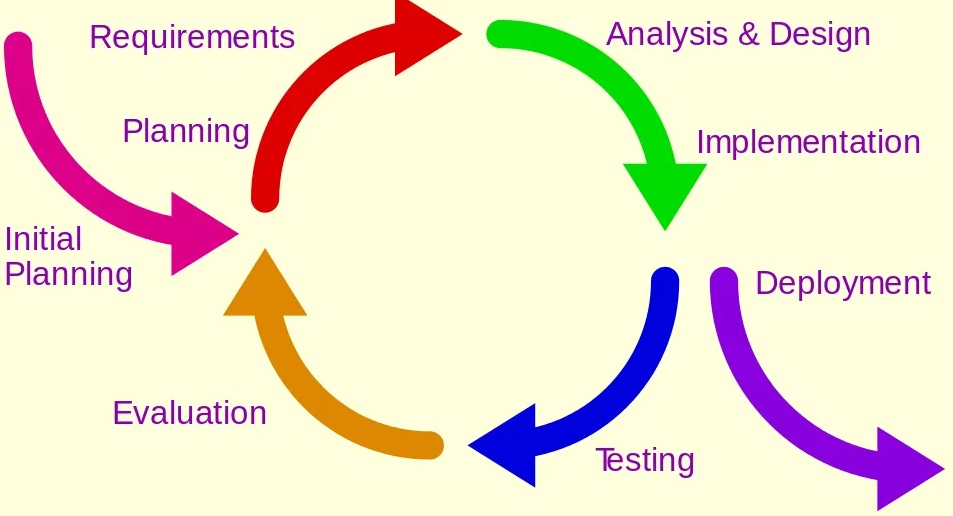
A project development process called iterative design enables developers to rapidly test and improve concepts. Software, websites, and other digital products are frequently created with it.
Transparency and frequent feedback loops are the cornerstones of iterative design. This helps to guarantee that the process is focused on generating value for users and that all stakeholders are involved.
What is Iterative Design?
Iterative design is a process that allows teams to continually improve their designs. It is a great alternative to the traditional Waterfall method.
It helps you find problems in your project and fix them more quickly, saving your team time. Additionally, it enables your team to test a range of concepts to find the most effective ones.
Iterative design can be applied at any point in the development process, from basic planning to product launch. Just don’t forget to maintain your objectives throughout each iteration.
Iterative design is a useful technique for gathering consumer input and creating more user-friendly products. This is particularly true if your clients participate in the design process.
What are the Benefits of Iterative Design?
Prototyping and testing are part of the iterative design process. The goal of this iterative process of testing, research, and prototyping is to get better every time.
Software, hardware, and other items are developed using it. It is a substitute for the Waterfall technique, which develops products through a series of steps.
This iterative method lowers project-level risk by enabling teams to swiftly and simply resolve issues that can come up during the design or development phase.
Compared to traditional software development, the method may save time. Teams may also be able to quickly modify an existing product if needed. Iterative design is very helpful for finding and fixing usability problems early in the development process, before they become costly to fix.
What is the Limitation of Iterative Design?
With each iteration, iterative design is a fantastic approach to get better. Designers are encouraged to attempt new concepts and discard poor ones early on thanks to this method.
Additionally, it allows designers to test the product before it is finished. This can assist designers in identifying and fixing any defects they missed during development.
Iterative design isn’t appropriate for every project, though. It is particularly not a viable option for smaller projects that are difficult to dissect into their component parts.
Additionally, compared to the waterfall paradigm, iterative design requires more resources and can be challenging to maintain. It becomes more difficult to keep the team on course and guarantee that the product is delivered within the agreed timeframe if the project’s scope changes.
What is the Advantage of Iterative Design?
Teams may enhance their products with each iteration thanks to the iterative design process. Delivering high-quality work in this manner is far more efficient than attempting to finish a project all at once.
Additionally, it enables teams to recognize and manage risks at the project level. This implies that they can fix minor problems before more significant ones are found later on in the development process.
Giving users the opportunity to provide input early in the development process is another benefit of iterative design. Before you begin further development, this is a wonderful technique to make that your prototypes are dependable and satisfy user needs.
The process of iterative design can be applied at any point in the lifecycle of a product. But when applied early in a product’s development, it’s more economical.














Leave a comment