


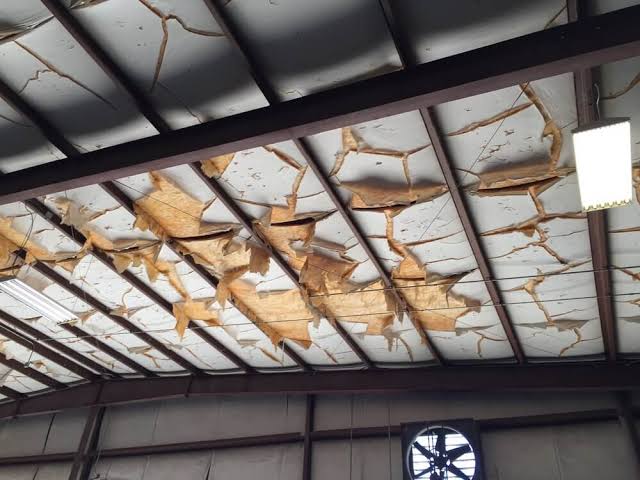
Because of their strength, affordability, and structural adaptability, metal structures in various becoming a popular choice for construction in a variety of industries. Metal-based construction is becoming more and more common in everything from industrial facilities and agricultural barns to warehouses, educational campuses, and contemporary residential garages. Thermal performance, however, is one of the main issues with these structures. Metal surfaces can quickly absorb and transfer heat, cause condensation problems, raise energy expenses, and lower indoor comfort levels if they are not properly insulated.
Customized insulation methods are therefore more crucial than ever for metal structures in a variety of professional contexts. Because every location has various requirements for temperature, moisture exposure, acoustics, and operational priorities, a one-size-fits-all strategy rarely produces the optimum outcomes. While a retail space needs solutions that preserve comfort and enhance the client experience, an industrial site needs insulation that can withstand chemicals and harsh temperatures. In a similar vein, healthcare facilities require extremely regulated conditions, and agricultural structures must preserve crops and cattle.
The mission of Insid Business is to give readers useful, business-focused insights to help them make better decisions in the areas of construction, facility management, and commercial property renovations. This subject is a fantastic fit for the kind of useful, industry-relevant information that Insid Business seeks to disseminate. Understanding the proper insulation techniques for metal structures in various situations can improve long-term performance, lower expenses, and increase sustainability, regardless of whether business owners are in charge of warehouses, educational institutions, or specialized workspaces.
The best insulation choices and application techniques for metal structures in a variety of professional settings are examined in this thorough reference. It emphasizes the need of customized insulation, which materials work best under certain circumstances, and how businesses may increase productivity, durability, and safety by making wise insulation decisions.
Why Insulation Matters for Metal Structures in Various Professional Settings
Insulation is an essential part of building performance when it comes to Metal Structures in Different Industries. Because metal buildings conduct heat far more quickly than many traditional materials, they can get uncomfortably chilly in the winter and excessively hot in the summer. Temperature control is severely hampered by this thermal conductivity, particularly in structures that rely on steady interior conditions.
Appropriate insulation aids in resolving a number of important issues:
- Reduces heat transfer between indoor and outdoor environments
- Improves energy efficiency by reducing HVAC workload
- Prevents condensation that can lead to corrosion, mold, or water damage
- Enhances indoor comfort for workers, customers, residents, or stored materials
- Supports acoustic control in noisy environments
- Protects equipment and inventory from temperature fluctuations
- Extends structural lifespan by minimizing moisture-related deterioration
The purpose of the building, local weather, ventilation design, and occupancy requirements should all be taken into consideration when choosing insulation for metal structures in a variety of climates and operational environments. Long-term outcomes are better when the remedy is more tailored.
Best Insulation Materials for Metal Structures in Various Building Types
It is useful to comprehend the typical insulation materials used in metal structures across many sectors before delving into industry-specific applications.
1. Fiberglass Insulation
Because fiberglass is inexpensive, simple to install, and efficient at preventing heat transfer, it is commonly utilized. It is frequently utilized in walls and roofing and is available in blanket or batt form.
Advantages:
- Cost-effective
- Good thermal resistance
- Readily available
- Suitable for large surface areas
2. Spray Foam Insulation
Spray foam expands to fill joints, gaps, and cracks and forms an airtight seal. For metal buildings susceptible to moisture and air leaks, it is among the best options for insulation.
Advantages:
- Excellent air sealing
- High R-value
- Reduces condensation
- Works well in irregular spaces
3. Rigid Foam Board
Foam boards are frequently used in walls, roofs, and under cladding systems because of their high heat resistance. When continuous insulation is required, they are very helpful.
Advantages:
- Durable
- Moisture-resistant
- Good structural support
- Effective for thermal bridging reduction
4. Reflective or Radiant Barrier Insulation
This insulation is perfect for hot areas or buildings that receive a lot of sunlight since it reflects radiant heat instead of absorbing it.
Advantages:
- Excellent for warm environments
- Helps lower cooling costs
- Lightweight and easy to install
- Useful in warehouses and retail roofs
5. Mineral Wool
Both thermal and acoustic insulation are provided by mineral wool. Additionally, it has a high degree of fire resistance, making it useful in environments with stringent safety regulations.
Advantages:
- Fire resistance
- Sound absorption
- Moisture tolerance
- Durable performance
Depending on the building’s performance objectives, each of these materials can be modified for metal structures in a variety of professional contexts.
Customized Insulation for Metal Structures in Various Industrial Facilities
Heavy machinery, process heat, chemicals, and extended operating hours are common in industrial settings. Under these circumstances, insulation systems that go beyond simple thermal protection are necessary for metal structures in a variety of industrial sites.
Insulation lowers energy waste and stabilizes temperatures in factories, manufacturing facilities, workshops, and processing centers. Large open interiors, high ceilings, and vast wall surfaces are common features of industrial buildings, all of which, if left uninsulated, promote heat transfer.
Recommended Solutions:
- Fiberglass blanket systems for broad roof and wall coverage
- Rigid foam board to reduce thermal bridging
- Spray foam for sealing joints and preventing air infiltration
- Protective coatings for fire resistance and chemical durability
Key Benefits:
- Better process temperature control
- Lower heating and cooling costs
- Reduced condensation on metal surfaces
- Protection for equipment and raw materials
- Enhanced fire safety in high-risk zones
Insulation for industrial buildings must also help safety compliance and ventilation planning. A tailored strategy guarantees that metal structures in a variety of industrial processes continue to be effective, long-lasting, and safer for workers and equipment.
Customized Insulation for Metal Structures in Various Agricultural Buildings
AMetal barns, chicken houses, feed storage units, equipment sheds, and produce warehouses are all very important to agricultural properties. Because they frequently provide shelter for cattle, preserve crops, or safeguard pricey machinery, these metal structures in various agricultural contexts face particular demands.
Variations in temperature can cause animal stress, lower output, and deteriorate stored products. Additionally, moisture and condensation can harm feed, hasten rust on the building itself, and produce unhygienic circumstances.
Recommended Solutions:
- Spray foam insulation for airtight sealing and moisture control
- Reflective insulation for hot climates and sun-exposed roofs
- Fiberglass systems for cost-effective wall and roof applications
Key Benefits:
- More stable temperatures for livestock health
- Protection of grain, hay, and produce
- Reduced humidity and condensation
- Improved indoor air quality
- Lower utility expenses for climate-controlled operations
Customized insulation is crucial for metal structures in a variety of farming and storage conditions since agricultural facilities frequently run year-round and may be subject to severe weather.
Customized Insulation for Metal Structures in Various Commercial Warehouses
Among the most prevalent instances of metal structures in a variety of economic sectors are warehouses. These structures could be utilized for cold-sensitive stock management, e-commerce fulfillment, distribution, inventory storage, and logistics.
Warehouses may be challenging to effectively heat and cool due to their large open areas and metal roofs. Indoor temperatures can rise rapidly in hot regions, creating uncomfortable working conditions and putting more load on the HVAC system. Heat loss might become substantial during the colder months.
Recommended Solutions:
- Radiant barrier insulation under roofing systems
- Layered fiberglass systems for walls and ceilings
- Spray foam in problem areas prone to air leaks or condensation
- Rigid board insulation for loading zones and exterior walls
Key Benefits:
- Better comfort for warehouse staff
- Improved product protection
- Lower cooling and heating expenses
- Reduced risk of condensation-related damage
- Long-term operational efficiency
Insulation is more than just comfort for storage companies. Additionally, it guarantees that metal structures in a variety of warehouse applications enable dependable logistics and product preservation while safeguarding inventory quality.
Customized Insulation for Metal Structures in Various Retail Spaces
Modern metal-framed or metal-clad architecture is becoming more and more common in retail establishments due to its affordability and aesthetic adaptability. However, in order to provide a comfortable shopping environment, metal structures in various retail areas require appropriate insulation planning.
Consumers want a refined interior environment, steady temperatures, and less noise. Reduced HVAC performance, uncomfortable hot or cold zones, and increased utility costs can all result from poor insulation.
Recommended Solutions:
- Reflective insulation for roof heat control
- Thermal barrier coatings for additional energy efficiency
- Mineral wool or fiberglass for wall systems
- Acoustic insulation layers where customer comfort is a priority
Key Benefits:
- Better customer experience
- More consistent indoor climate
- Reduced operational costs
- Improved sound control in busy areas
- Greater sustainability and energy savings
When properly constructed, insulation makes metal structures in various of retail contexts more welcoming, effective, and economical for long-term business growth.
Customized Insulation for Metal Structures in Various Educational Institutions
Metal structures are frequently used for gymnasiums, assembly halls, maintenance buildings, and multipurpose areas in schools, colleges, training facilities, and community campuses. Insulation that promotes comfort and functionality is necessary for these metal structures in a variety of educational contexts.
An atmosphere that is both acoustically controlled and thermally stable is necessary for both staff and students. Inadequate insulation can cause echo, temperature changes, and excessive HVAC demand, especially in large metal gymnasiums.
Recommended Solutions:
- Acoustic mineral wool for sound absorption
- Spray foam for airtight thermal performance
- Fiberglass blanket systems for wide-span roofing
- Thermal panels for multipurpose halls and classrooms
Key Benefits:
- Better learning and activity conditions
- Reduced echo and noise pollution
- Improved concentration and comfort
- Lower energy costs for institutions
- Support for sustainable campus operations
Administrators can guarantee that Metal Structures in Various Educational Environments function effectively for instruction, enjoyment, and facility management by utilizing customized systems.
Customized Insulation for Metal Structures in Various Healthcare Facilities
Maintenance facilities, storage spaces, labs, support buildings, and specialized utility structures made of metal are frequently seen in healthcare-related sites. In these situations, stable temperatures and reliable environmental management are required for metal structures in various healthcare institutions.
Temperature changes, humidity, and condensation can have a detrimental effect on delicate equipment, medications, and medical supplies. Higher standards of hygiene, dependability, and frequently fire safety are also necessary for healthcare operations.
Recommended Solutions:
- Closed-cell spray foam for moisture resistance and air sealing
- Mineral wool where fire resistance is critical
- Rigid insulation boards for stable wall performance
- Sealed vapor barriers to reduce contamination risks
Key Benefits:
- Better temperature consistency for sensitive storage
- Reduced moisture and condensation issues
- Improved energy efficiency
- Enhanced protection for equipment and supplies
- Stronger compliance with safety requirements
The proper insulating approach guarantees that metal structures in various healthcare applications continue to be dependable, effective, and appropriate for controlled settings in medical support rooms.
Customized Insulation for Metal Structures in Various Residential and Mixed-Use Applications
Metal-clad residences, detached garages, workshops, backyard offices, and mixed-use utility spaces are becoming more and more common in modern construction. Metal structures have therefore grown more prevalent in a variety of residential applications.
Residential metal buildings can be uncomfortable without adequate insulation, despite their durability and style. Homeowners frequently look for ways to limit outside noise, lower energy costs, and enhance thermal comfort.
Recommended Solutions:
- Fiberglass batts for standard wall cavities
- Spray foam for garages, workshops, and attic areas
- Rigid foam panels behind cladding systems
- Soundproofing insulation for home offices or hobby spaces
Key Benefits:
- Year-round indoor comfort
- Reduced heating and cooling costs
- Better moisture control
- Quieter living and work areas
- Increased property efficiency and value
Customized insulation makes metal structures in a variety of residential contexts more useful and pleasurable, whether they are utilized as garages, hobby buildings, or entire living areas.
Moisture and Condensation Control for Metal Structures in Various Environments
Condensation is one of the most neglected problems in metal structures in a variety of contexts. Water vapor in the air may condense on walls, roofs, and other structural elements due to the quick cooling and warming of metal surfaces. This may eventually result in:
- Corrosion and rust
- Mold or mildew growth
- Damage to stored goods
- Reduced insulation effectiveness
- Structural deterioration
Best Condensation Control Strategies:
- Install vapor barriers in climate-sensitive buildings
- Use closed-cell spray foam to minimize air infiltration
- Add proper ventilation systems to control humidity
- Choose moisture-resistant insulation materials
- Seal joints, seams, and roof penetrations thoroughly
Condensation control is equally as crucial for metal structures in a variety of humid, coastal, or high-occupancy settings as thermal resistance.
Energy Efficiency Benefits of Insulating Metal Structures in Various Industries
One of the main reasons companies spend money on insulation is energy efficiency. Metal structures can use a lot of energy if they are not properly insulated since they frequently have huge surface surfaces and are exposed to high outside temperatures.
Energy-Saving Outcomes Include:
- Lower HVAC operating costs
- Reduced peak heating and cooling demand
- Better indoor temperature retention
- Improved sustainability performance
- Reduced carbon footprint over time
Insulation is one of the best improvements for metal structures in a variety of commercial and industrial applications for businesses who are concerned with long-term cost reduction.
How to Choose the Right Insulation for Metal Structures in Various Settings
A number of considerations determine which system is ideal for metal structures in different professional settings:
Consider These Questions:
- What is the building used for?
Storage, livestock, manufacturing, retail, healthcare, or residential spaces all have different needs. - What climate conditions apply?
Hot, humid, cold, or mixed climates affect insulation type and thickness. - Is moisture control a major concern?
If yes, spray foam and vapor barriers may be essential. - Does the building need acoustic performance?
Educational, retail, and residential spaces may need sound control. - Are fire resistance and safety priorities?
Mineral wool and protective coatings may be ideal in high-risk areas. - What is the long-term maintenance plan?
Durable systems may cost more initially but reduce repair expenses later.
Generic installation is never as effective as a customized assessment. The appropriate insulation for metal structures in a variety of environments should take into account both environmental factors and operational objectives.
Why Insid Business Recommends Smart Insulation for Metal Structures in Various Sectors
Every topic at Insid Business revolves around real business decisions. Although insulation might appear to be a technical building element, it has a direct impact on operational costs, employee comfort, asset protection, sustainability objectives, and property value. For business owners, facility managers, developers, and real estate investors, this makes it an extremely pertinent topic.
Insid Business explains to readers how improved building performance can result in quantifiable financial and operational benefits by concentrating on smart renovations for Metal Structures in Various sectors. Stronger long-term returns are supported by the appropriate insulation technique, regardless of whether the project contains an industrial plant, retail establishment, warehouse, or agricultural facility.
FAQs
- What is the best insulation for Metal Structures in Various climates?
The ideal insulation depends on the building’s purpose and climate. Reflective insulation and radiant barriers are effective in hot areas. Spray foam works very well in humid or mixed weather because it reduces moisture and air leakage. For many metal structures in a variety of climates, fiberglass and rigid foam are also great options.
- Why do Metal Structures in Various industries need customized insulation instead of standard insulation?
The needs of various businesses vary. While agricultural structures require moisture control and consistent temperatures for livestock or produce, industrial plants may need chemical durability and fire resistance. Tailored insulation guarantees that metal structures in different industries operate effectively according to their unique operational requirements.
- Can insulation reduce condensation in Metal Structures in Various buildings?
Indeed, one of the greatest methods to lessen condensation is to have adequate insulation. Warm, humid air cannot come into contact with cool metal surfaces thanks to spray foam, vapor barriers, and moisture-resistant insulation systems. This is particularly crucial for metal structures used in warehouse, agricultural, and storage applications.
- Is spray foam the best option for Metal Structures in Various settings?
Because it offers superior air sealing, strong temperature resistance, and moisture management, spray foam is among the best choices. It isn’t always the greatest option, though. Depending on the purpose and budget of the building, fiberglass, mineral wool, rigid board, and reflective insulation can also be perfect for metal structures in a variety of scenarios.
- How does insulation improve energy efficiency in Metal Structures in Various professional environments?
Heat transfer is slowed by insulation, which lessens the strain on heating and cooling systems. This results in more consistent indoor temperatures, reduced utility costs, and increased comfort. Over time, insulation can drastically lower operating costs for metal structures in a variety of professional settings.
Conclusion
For metal structures in various of commercial and residential contexts, customized insulation is an essential investment. Although metal buildings are cost-effective, flexible, and long-lasting, they can experience condensation, heat gain, heat loss, increased energy expenses, and decreased comfort if they are not properly insulated. Because of this, insulation should always be customized to meet the particular requirements of the building’s use, climate, and purpose.
Every setting—from retail establishments, educational institutions, healthcare support spaces, warehouses, and residential applications to industrial facilities and agricultural barns—benefits from a unique insulation technique. Mineral wool promotes fire and sound protection, fiberglass offers cost-effective thermal performance, spray foam offers better air sealing and moisture control, and reflecting solutions assist in controlling solar heat in hotter areas. Efficiency, indoor comfort, durability, and long-term operating value can all be significantly increased with the correct combination.
Insulation is a strategic upgrade, not just a building detail, for companies and property owners that want to increase performance, lower maintenance risks, and control expenses. This type of useful, performance-driven knowledge is important at Insid Business since better building choices frequently result in better business outcomes. Organizations may design environments that are safer, more effective, and more sustainable for long-term success by using the proper insulation techniques for metal structures in a variety of professional contexts.
Please visit to technology category to read more content.












Leave a comment