


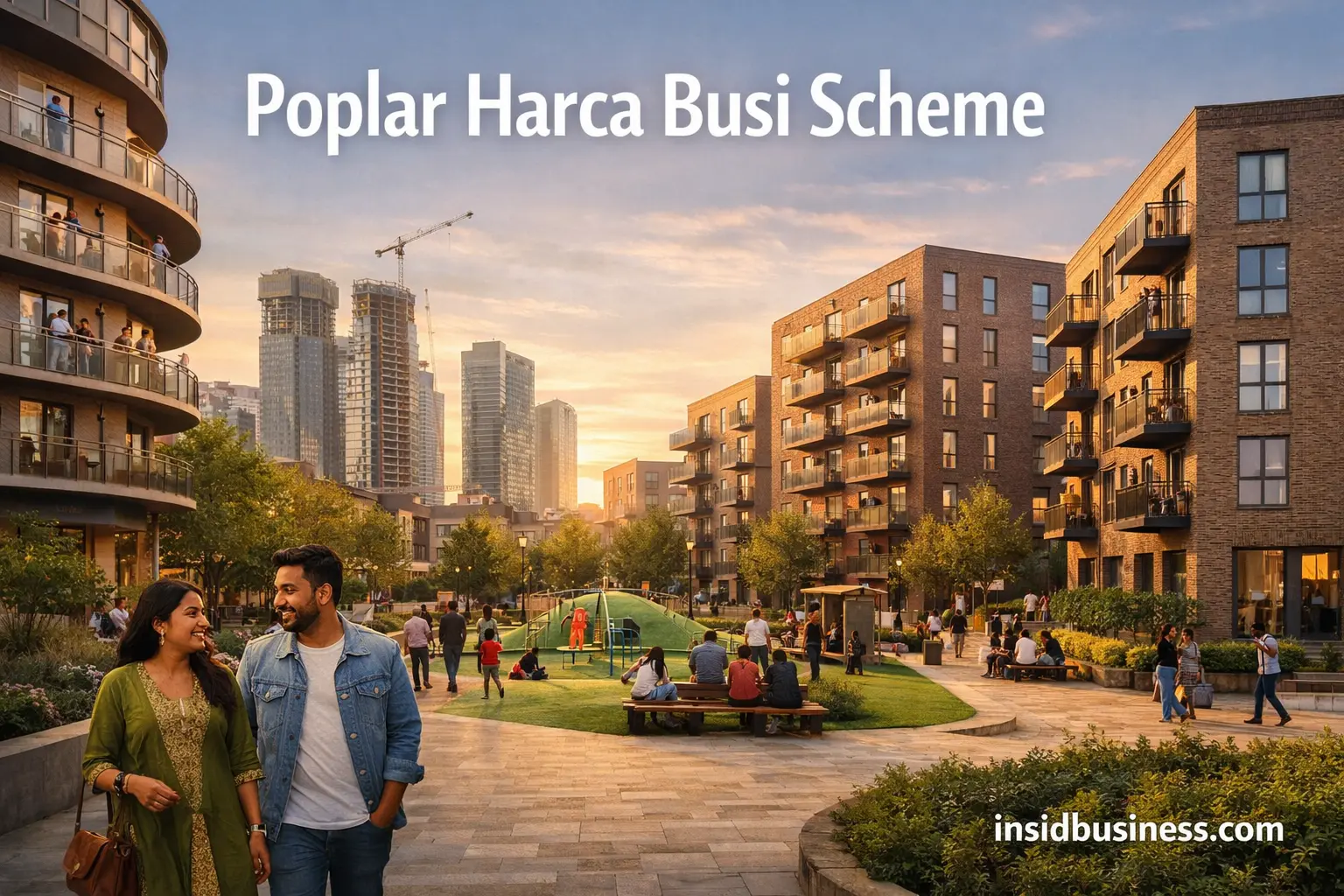
Today we are talking about poplar harca busi scheme. Urban housing projects are becoming increasingly important as cities expand and populations grow. One such plan that has received notice is the popular harca busi scheme, which is aimed to fulfill modern housing demands while promoting long-term urban growth. This concept reflects an organized approach to planning, affordability, and accessibility for inhabitants who desire to live closer to economic and social possibilities.
The Poplar Harca Busi scheme main goal is to establish a well-balanced living environment that combines necessary infrastructure with comfortable living quarters. It strives to decrease strain on overcrowded areas by delivering planned housing options in a well-organized setting. By focusing on correct zoning, road networks, and public services, the concept offers itself as a forward-looking answer for city expansion.
Another essential factor is its attraction to both homeowners and investors. Well-thought-out housing designs typically produce long-term value, which is what makes them unique. With thoughtful development rules and a defined vision, it attempts to bring stability and confidence to all stakeholders engaged.
Key features of the Poplar Harca Busi Scheme
Every successful housing project is defined by its features, and the poplar harca busi scheme is no exception. Structured land allocation is one of its most prominent features. Plots are designed to facilitate community engagement, open areas, and efficient traffic flow, all of which enhance the general quality of life.
Another essential component is infrastructure development. Reliable road access, drainage systems, and utility connections are prioritized from the early stages. This guarantees inhabitants do not suffer common challenges that arise in poorly planned complexes. Access to vital services such as water, power, and communication networks provides more value to the project.
Security and regulation also play an essential role. Transparency and dispute avoidance are aided by well-defined development guidelines and documentation procedures. For purchasers, this decreases risk and enhances trust. Over time, such regulatory clarity helps to a stable and structured neighborhood environment.
Location and accessibility benefits
Location is typically the deciding element when choosing a house design. Projects created with accessibility in mind offer residents improved connectivity to employers, educational institutions, and healthcare facilities. Proximity to important roads and public transport lines promotes daily convenience and decreases commuting stress.
Accessibility also fosters economic growth within the area. When people can move easily, local businesses grow, and service availability improves. This generates a positive cycle where residents benefit from both comfort and opportunities, making the place more desirable over time.
Investment potential of the Poplar Harca Busi Scheme
From an investment perspective, the poplar harca busi scheme presents opportunities for long-term gains. Planned housing complexes frequently see continuous appreciation due to organized growth and increased demand. As infrastructure improves and population density grows, property values tend to rise naturally.
Another aspect increasing investor interest is demand stability. Housing remains a fundamental necessity, and plans that cater to middle-income groups often see constant buyer demand. This lowers volatility and attracts investors looking for less risky solutions.
Rental potential also deserves attention. Tenants seeking reasonably priced yet well-connected living areas find surrounding housing plans appealing as metropolitan centers grow. This presents potential for investors to produce recurrent income while benefiting from capital appreciation.
Community and lifestyle advantages
One of the main factors influencing people’s choice of planned housing developments is lifestyle quality, which goes beyond cost. Community-oriented arrangements stimulate social interaction and foster a sense of belonging. Parks and leisure areas are examples of shared spaces that enhance mental health and encourage better lifestyles.
By providing safer roadways and well-organized surroundings, a planned environment also benefits families. While adults benefit from less noise and traffic than in unplanned urban areas, children gain from open spaces. Over time, this leads to deeper communal ties and improved living standards.
Challenges and considerations of the Poplar Harca Busi Scheme
While the poplar harca busi scheme offers many advantages, It is crucial to take such difficulties into account. Infrastructure limitations or regulatory permissions can occasionally cause development timetables to prolong. Before committing, investors and buyers should carefully assess the project’s progress.
Another consideration is market conditions. Property values are influenced by broader economic variables, thus understanding market trends is vital. Risks can be reduced by doing due diligence, examining documentation, and consulting experts.
Awareness of development guidelines is similarly vital. Adhering to construction guidelines ensures uniformity and protects the long-term value of the area. Residents who follow these standards contribute to a well-maintained and attractive area.
Long-term outlook of the Poplar Harca Busi Scheme
The long-term success of any housing project depends on consistent development and effective management. With proper oversight, the poplar harca busi scheme has the potential to evolve into a thriving urban community. Sustaining growth will require ongoing infrastructure improvements and careful planning.
The need for organized housing will only grow as cities continue to grow. Schemes that promote planning, accessibility, and community welfare are likely to remain relevant and beneficial. This frames the project as a viable alternative for individuals seeking stability and long-term advantages.
Conclusion
In summary, the poplar harca busi scheme represents a structured approach to modern urban housing. It tackles a number of issues related to fast urbanization by emphasizing planning, infrastructure, and community development. Whether considered from a residential or investment standpoint, the program offers a blend of stability, future expansion, and increased quality of life. It can be a wise option for anyone considering the future of urban living if they give it considerable thought and make well-informed decisions.













Leave a comment